

Archives: Advance Page
Monsoon Forums
—
by
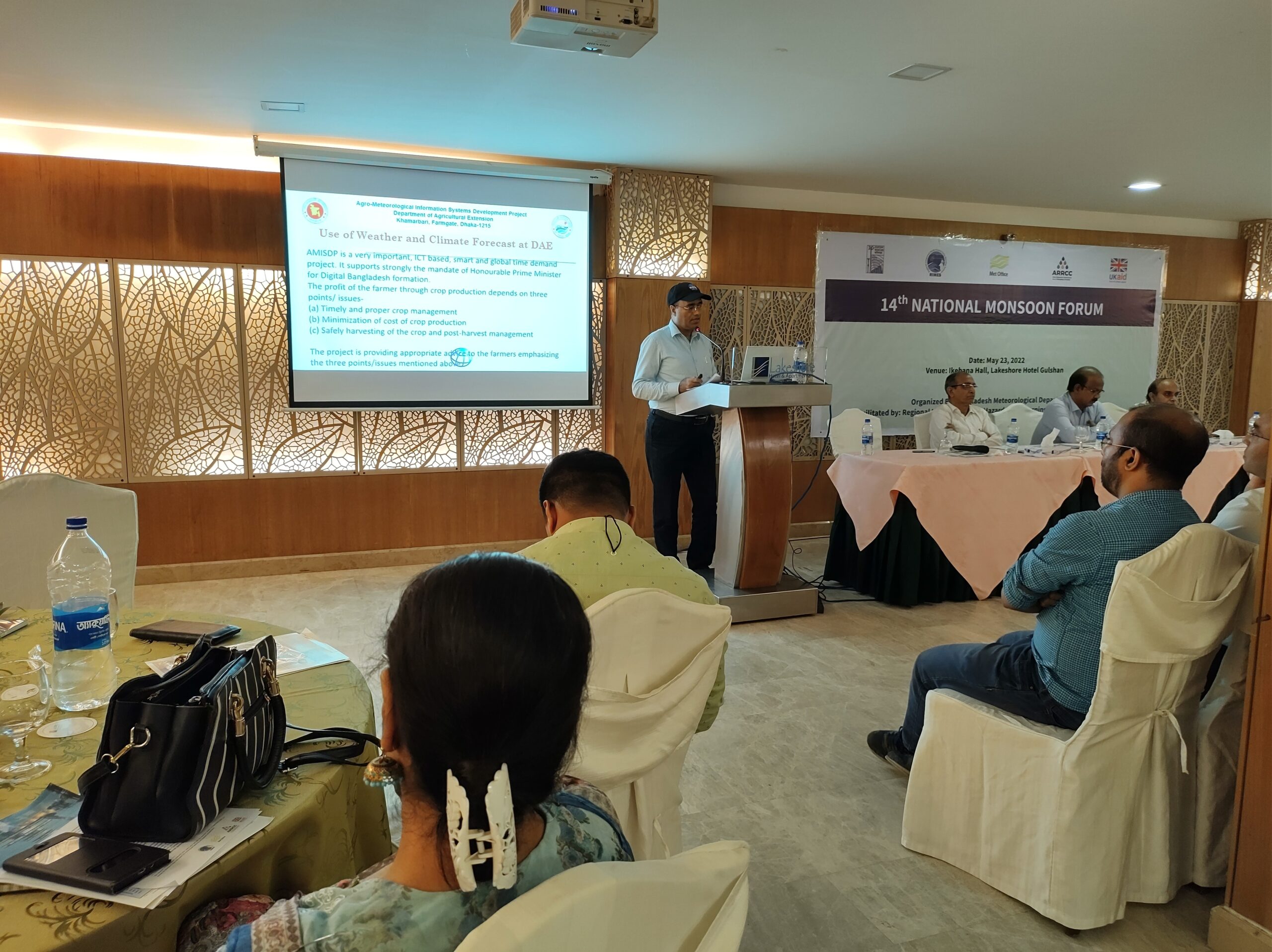
In Asia, climate variations affect food security and well being of communities and make planning for the monsoon season a vital process. Monsoon Forums help climate scientists better understand decision-makers’ information requirements, and assists potential users of climate forecasts better understand and use information for early warning of potential climate related risks and in enhancing…
Tailor-made Services
—
by
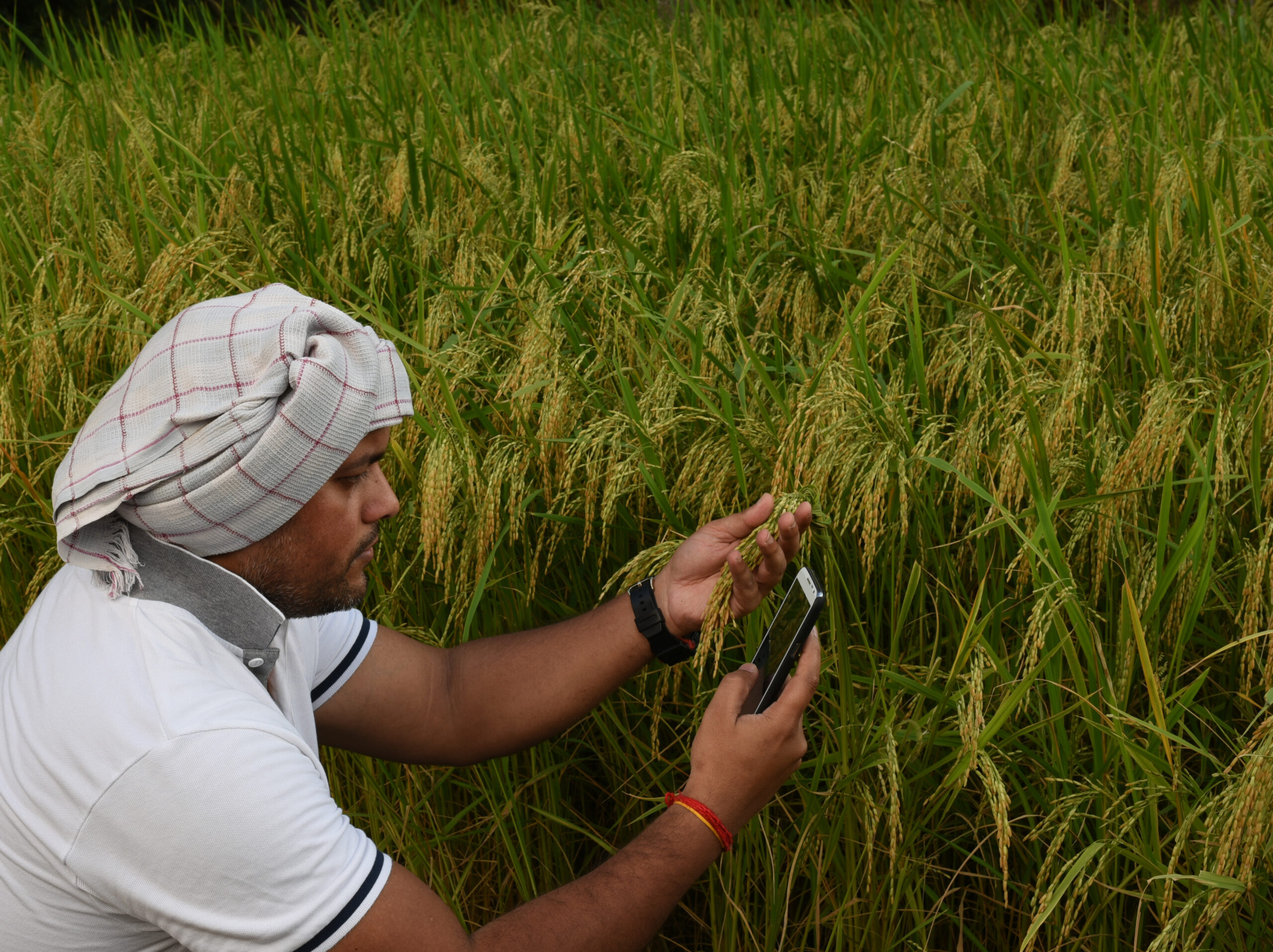
Weather information that is accurate and timely plays a pivotal role in informing climate-sensitive decisions in sectors like agriculture, public health, transportation, finance and water resources management among others. RIMES supports sectoral application of climate information by devising integrated platforms that connect weather data: both historical and observed, with forecast and advisory generation tools based…
.png)
Decision Support Systems
—
by
RIMES has co-developed and operationalized several Decision Support Systems (DSS) for transforming hazard information into impact-based forecasting to aid decision-making across multiple sectors – disaster management, agriculture, transportation, energy, finance, health, and water resources being the major ones. Decision-makers in these sectors, especially in the developing regions, are limited by technical infrastructure and human resources…
RIMES Sub-Regional hubs
—
by
RIMES program unit continues to support an integrated national early warning system in Papua New Guinea(PNG), to serve as the sub-regional hub for the Pacific. RIMES sub-regional hubs are designed to provide decentralized and customized support to the Member States of the respective region. The establishment of the PNG sub-regional hub is a cornerstone in…
Regional and National Climate Outlook Forums
—
by
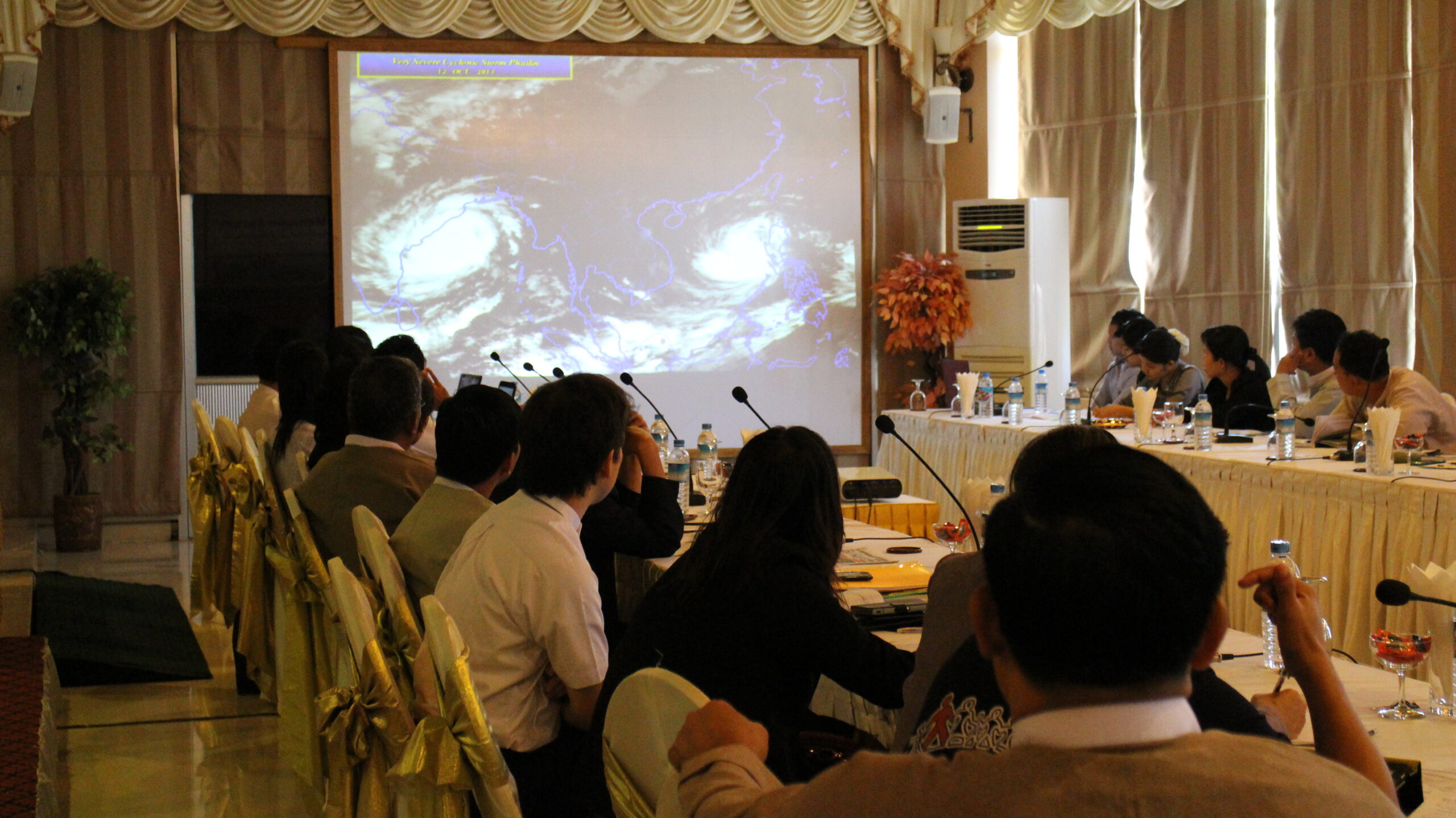
South Asian Seasonal Climate Outlook Forum South Asian nations, supported by the WMO, came together to establish the South Asian Seasonal Climate Outlook Forum (SASCOF) in 2010. Since then, the SASCOF sessions are being organised every year before the summer monsoon season. SASCOF gathers NMHSs of the South Asian region to prepare consensus seasonal climate…
Institutional mechanisms
—
by
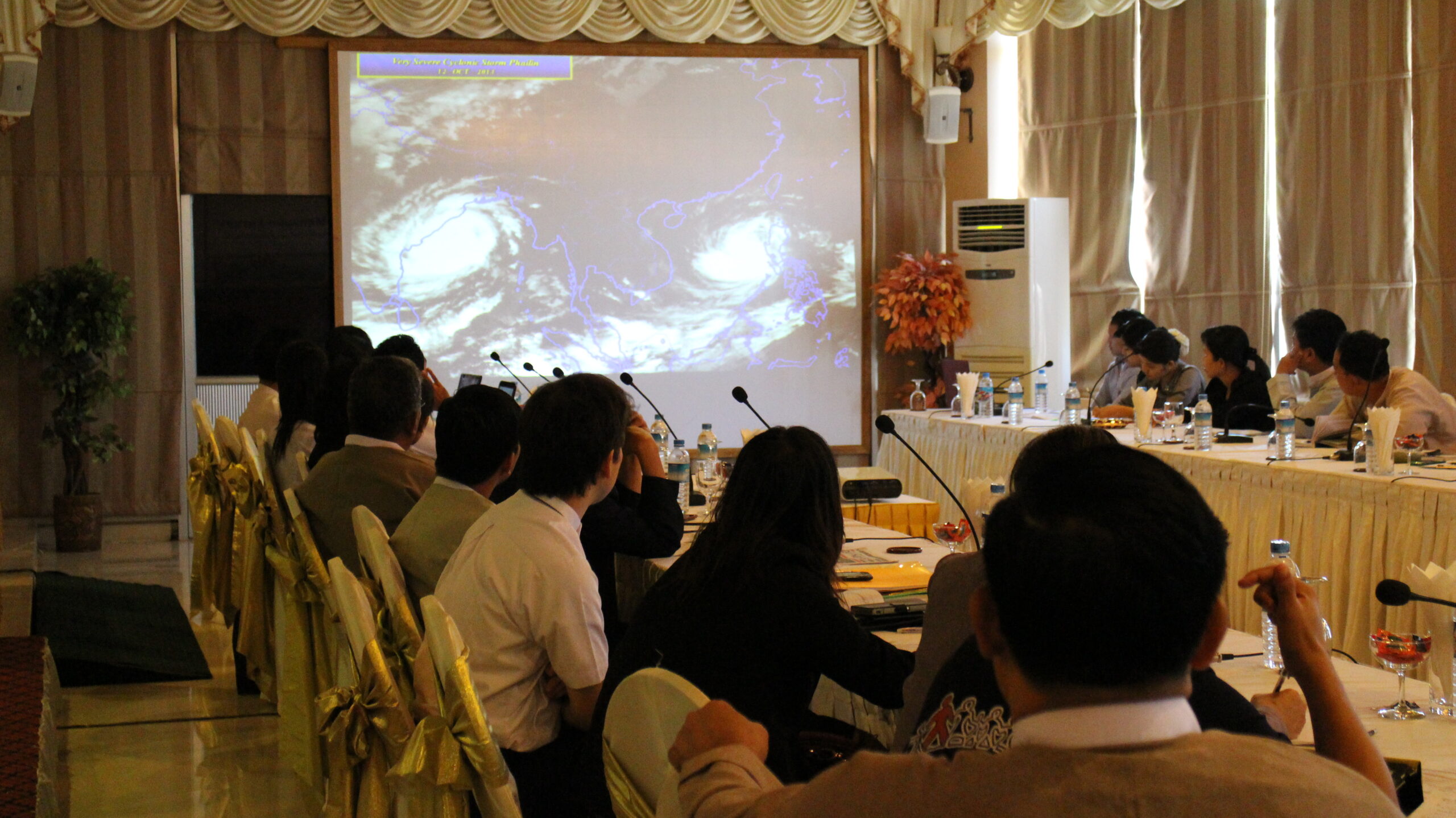
Institutional capacity is specific to each country and must be undertaken incrementally within a national context. Producing information that is timely, credible, and actionable necessitates inputs from many stakeholders, and requires coordination between multiple institutions at different levels. Effective institutional frameworks facilitate the delivery of climate services through the provision of legal, technical, and financial…
World Bank
—
by
The partnership with World Bank focuses on two programs- Climate Adaptation and Resilience for South Asia (CARE South Asia) and South Asia Hydromet Forum (SAHF). CARE South Asia and SAHF are two complementary initiatives that encompass key components of an effective end-to-end early warning information value chain that underpins RIMES’s service delivery approach. With a…

Earthquake, tsunami, and coastal hazard assessments
—
by
RIMES undertakes hazard assessments to characterize hazards that at-risk communities face, as inputs to resilience planning. Earthquake, tsunami, and storm surge hazard assessments use probabilistic methodologies that involve modeling, while sea level rise hazard assessment use trend analysis from long-period historical observation data.


Tool development customization
—
by
Since its inception, RIMES has been developing and integrating tools with national and regional systems for advisory generation which are customized based on countries’ evolving needs. Ocean state forecasting and advisory system: Web-based system for generation of advisories based on location-specific ocean state forecast information from INCOIS’ Indian Ocean Forecast System (INDOFOS). The system disseminates…