

Archives: Advance Page

Demand-driven Services
—
by
Based on the unique demands of sectoral stakeholder and national priorities, RIMES continues to develop tools, training materials and decision support systems by: Integrating forecast products of high resolution and varying scales with localized decision context based on country’s demands Integrating localized analytics, and advanced technology for information access – Internet of Things (IOT) and…

Applied Research
—
by
Climate change is without doubt the most significant factor influencing the future of our life on earth, with extreme weather events already more frequent and intense, causing increasingly adverse impacts to lives and livelihoods felt globally. With knowledge of climate changes and strong preparedness plans, societies can both optimize opportunities, better cope with climate hazards,…

Climate risk management training
—
by
Climate risk management is a process that helps assess and manage societal vulnerability associated with existing and future patterns of climate risk. Risks could stem from both short-term climate variability and long-term climate change. Adaptation strategies are then integrated into development strategies, policies, plans, and projects. The objective is to build in-country capacity to analyze,…
Capacity building for severe weather events: Support to NTWC
—
by
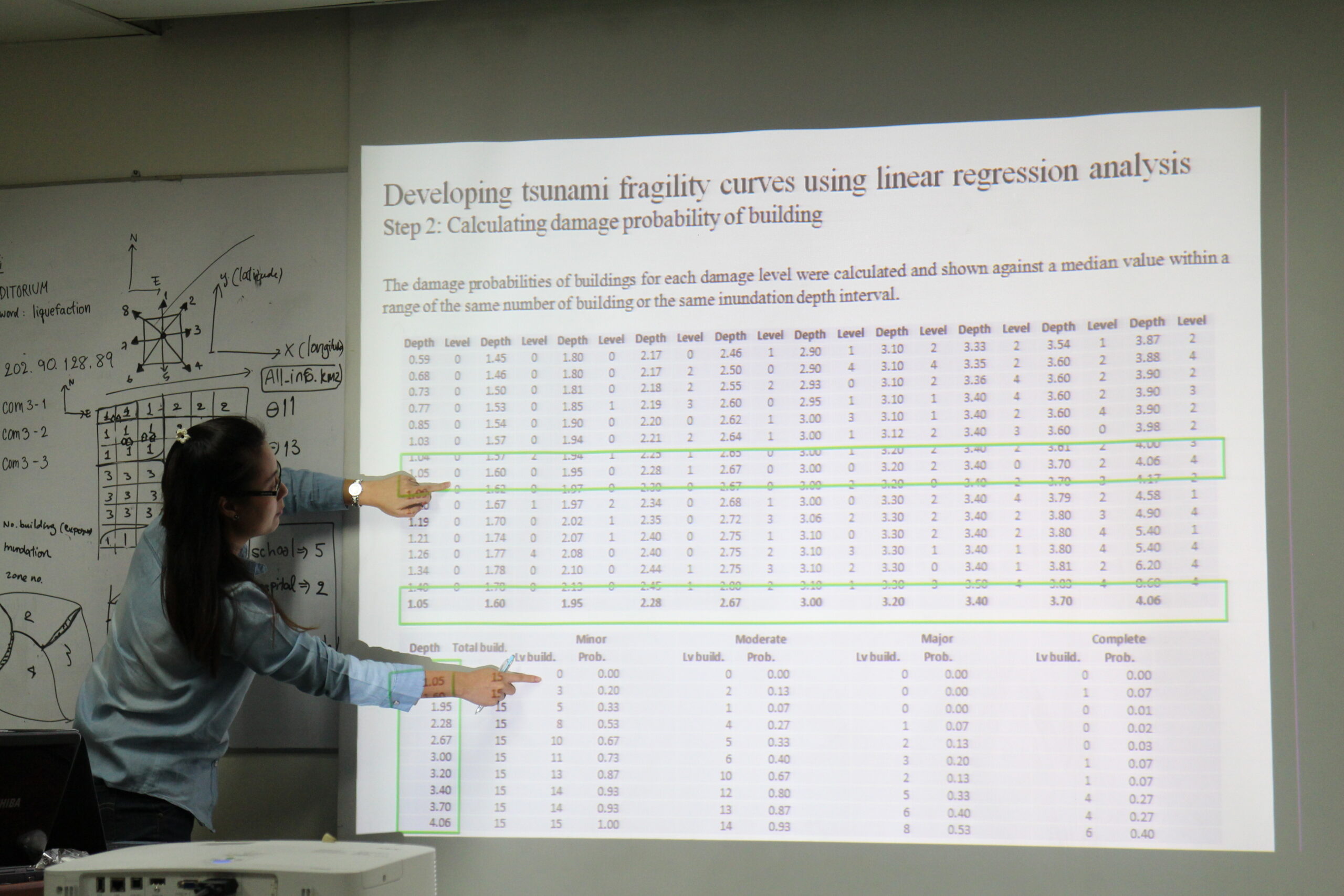
Ongoing services provided by RIMES to National Tsunami Warning Centers of Member States include: Seismic, sea level and deep ocean monitoring Data exchange, processing and analysis, and archiving Provision of earthquake alerts and regional tsunami bulletins RIMES supports NTWCs for the integration of climate change adaptation strategy to reduce vulnerability and enhance community resilience through: …

Capacity building on modeling and forecasting: Support to NMHS
—
by
Capacity building is an integral component in RIMES climate information application projects. We build institutional capacity to translate early warning information into sectoral impact forecasts to guide advisory generation, and enable end-users to access forecasts and warnings, understand risks and act. RIMES supports NMHSs’ priorities and conducts on-demand training and workshops with the following objectives:…

Capacity Building on End-to-End Early Warning System
—
by
RIMES builds capacities of forecasters in enhancing observation and monitoring systems, data process and analysis, prediction and forecasting, risk assessment, warning formulation and dissemination until the last mile, preparation of response options and system adjustment. RIMES also builds end-user’s capacities in translating warning information into impact outlooks and response options, and their application in making…

Societal Application
—
by
In order to assess and address evolving societal demands and needs, RIMES adopts a user-centered bottom-up approach that focuses on the user needs and demands as a driving factor to guide the entire process of climate/weather service co-production. RIMES engages with both the service providers and end-users to create an enabling environment to sustainably deliver…
Strengthening Last Mile Communication
—
by
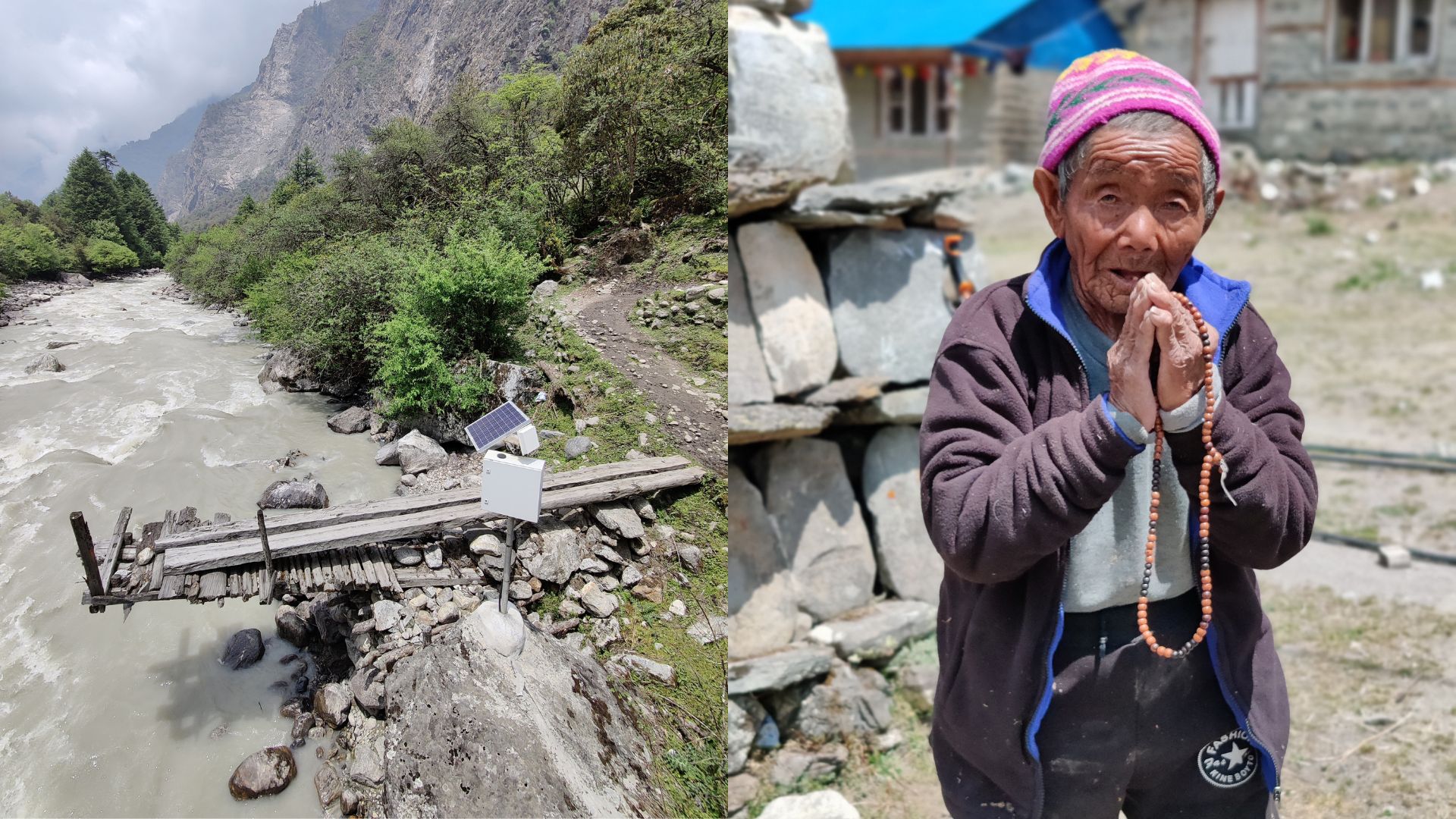
Low- and middle-income countries in this region face disproportionate humanitarian impacts with severe socio-economic losses every year due to structural barriers in applying warning information. While countries in the region are working to streamline their early action plan and early warning services in order to mitigate the impacts of climate-induced disasters, there is a need…

Pilot demonstrations on End-to-End Early Warning Systems
—
by
An effective people-centered early warning system has four interrelated and equally important elements: risk knowledge, monitoring and warning service, dissemination and communication, and response capability. All four elements are central to a people-centered early warning system, and gaps in any of the elements can lead to the failure of an early warning system. RIMES provides…
National Climate Application Centers
—
by
RIMES supports capacity building and system development for national-level institutional mechanisms to synergize national priorities in the early warning information value chain and co-production of services. This collaborative venture involving NMHSs and intermediary stakeholders is established to assess sector and institution-specific information or service needs. Sri Lanka National Climate Application Center (SNCCA), Bangladesh Climate Information…