


 Ongoing Programs


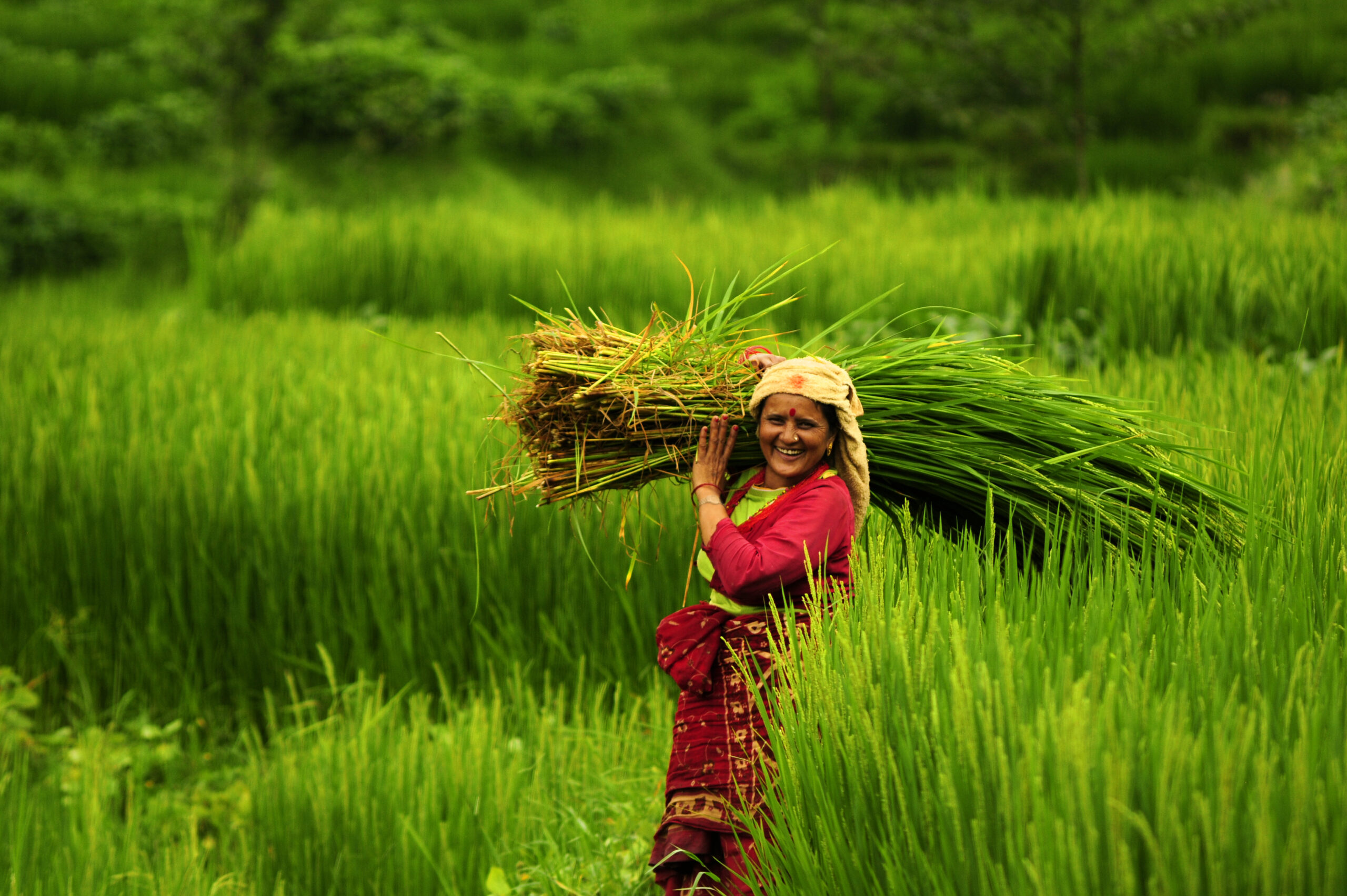
The project aims to contribute in translating this policy into actions through enhanced regional cooperation and knowledge on climate resilience and adaptation, and development of standards and guidelines to facilitate climate-resilient planning and investments. By creating an enabling environment for climate-resilient policies and investments across South Asia, CARE for South Asia to achieve its development […]
 Ongoing Programs
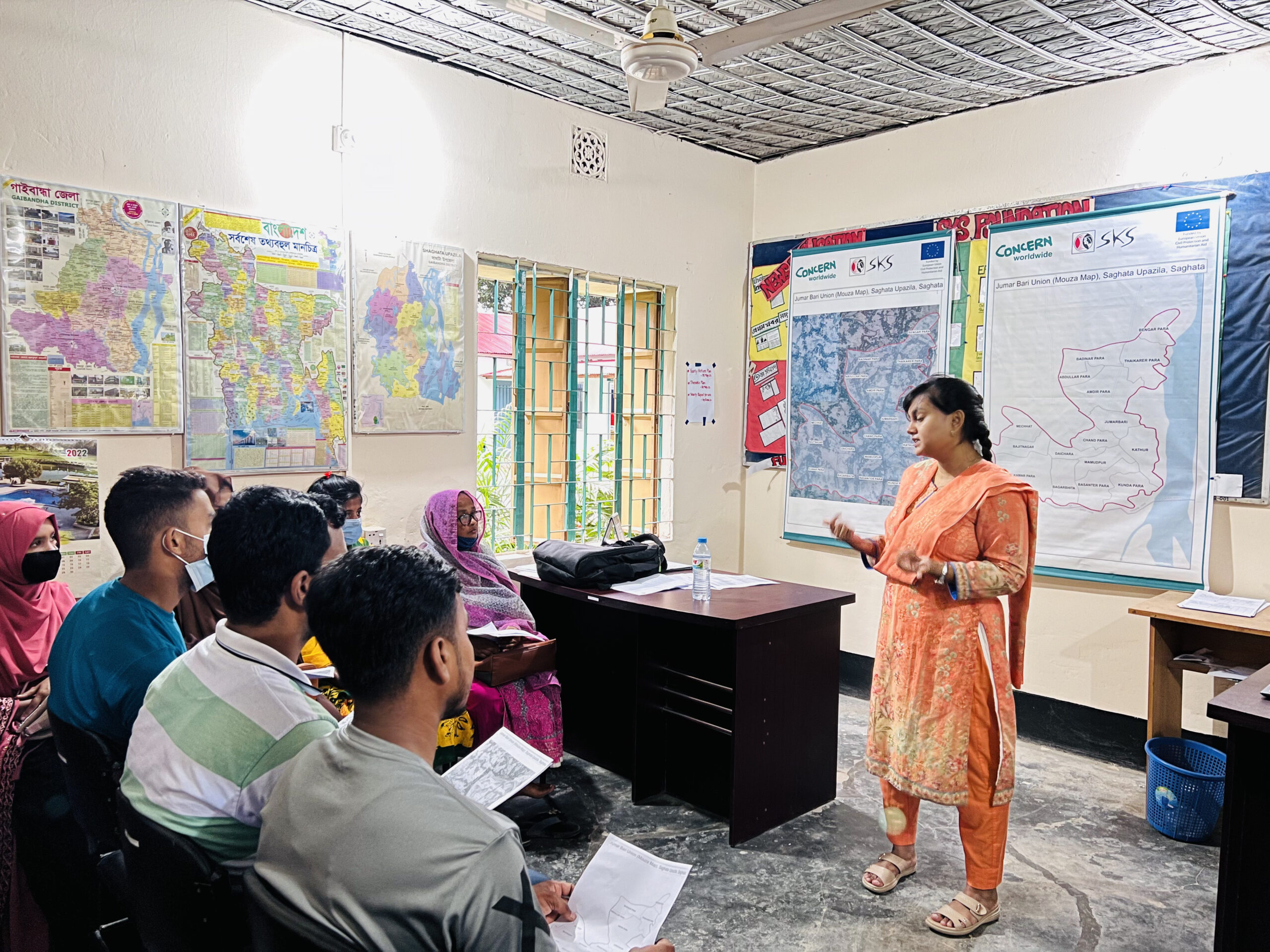
 Bangladesh is one of the most flood-prone countries in the world. Around 25 to 30 percent of the land area is inundated during a normal monsoon period incurring losses equivalent to 1.5% of GDP or $2.2 billion on average per year (ADB 2016). Supporting Flood Forecast-based Action and Learning in Bangladesh (SUFAL) was implemented in a […]
 Complete Programs
This project component aimed at improving data availability in support of flood forecasting and warning through establishment of 5 automatic weather stations and 15 automatic water level stations. Key activities included site identification, survey, and selection; equipment acquisition; onsite installations and telemetry; testing and integration into national and regional systems; and onsite training on operation, […]
Ongoing Programs The PROVATi3 works to improve rural infrastructure, enhance poor people’s ability to generate income, and increase access to flood information at the community level. The project provides last-mile connectivity to stimulate growth/ commercialization through market access (roads and markets), and increases resilience through diversification of incomes, infrastructure design improvements and better maintenance.
Complete Programs 
The training aimed to enhance capacity of the Department of Meteorology, Sri Lanka, on Numerical Weather Prediction.
 Ongoing Programs


SAHF aims to inform operationalization of hydromet service modernization and DRM investment in SAR countries, contribute to training and capacity building of clients and task teams, and support regional consultations. RIMES administered the second South Asia Hydromet Forum (SAHFII) as a follow up to the inaugural SAHF event which was cohosted by World Bank in […]
Complete Programs The project mapped early warning frameworks and practices in Delhi, Andhra Pradesh, Bihar, Tamil Nadu, and Rajasthan in India, to guide Save the Children programming. Key activities included institutional landscaping; mapping of early warning frameworks for identified hazards; and documentation of existing practices on delivery and use of forecasts and warnings at community level.
Ongoing Programs The project aims for a weather forecast-based agro-advisory system for Sri Lanka, piloted in Mhailluppallama in the dry zone and in Sitaeliya and Bandarawela in the wet zone. Activities include: Data collection and system customization Adaptation of FARM School training modules FARM School training of trainers
Complete Programs 
The project supported PTT research on precipitation forecast-based river runoff-reservoir inflow forecasting by improving quality of precipitation forecasts with the use of bias correction techniques. Key activities included identification and implementation of appropriate bias correction technique for improved precipitation forecasts, and forecast validation.
 Ongoing Programs


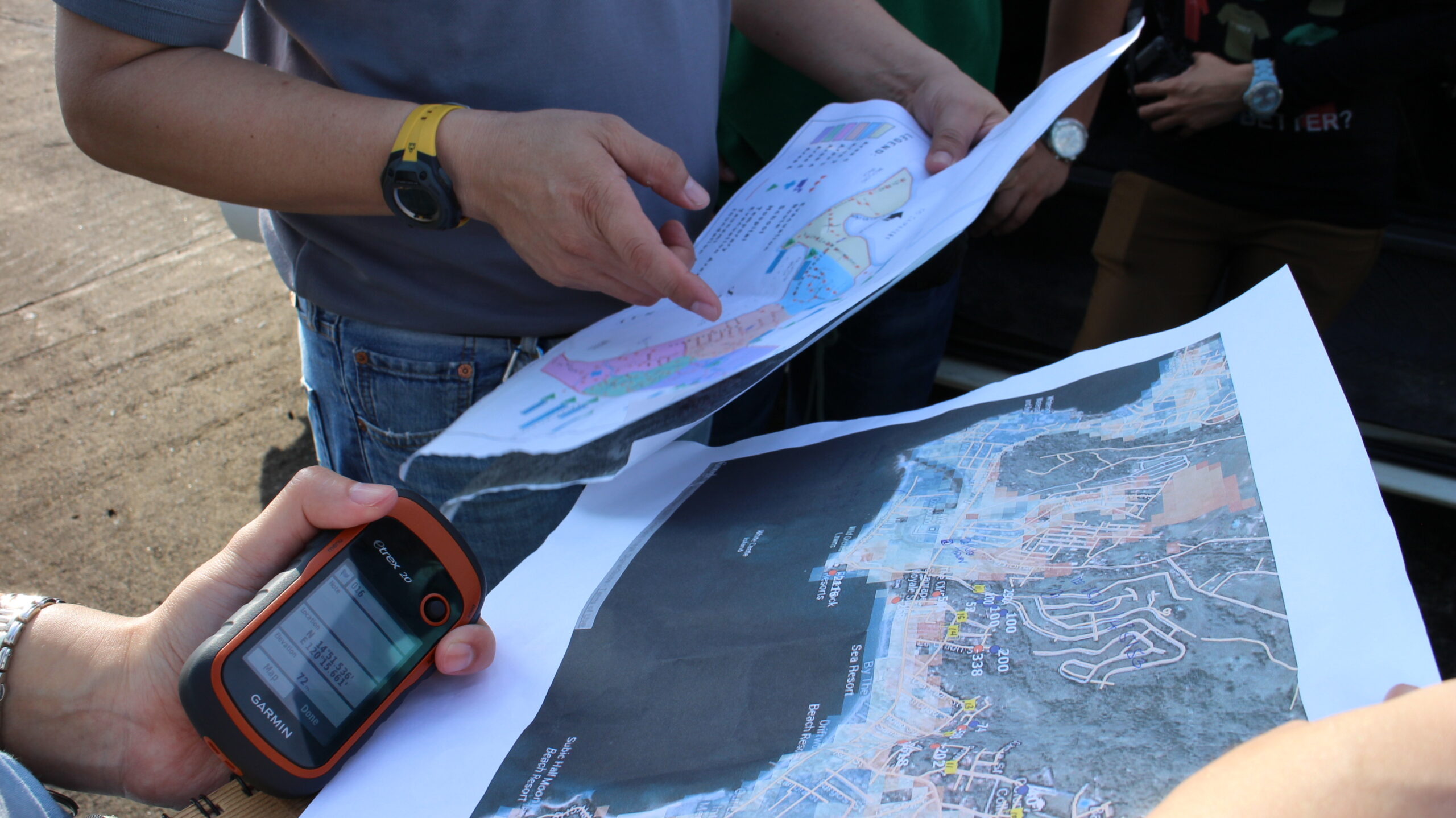
Effective early warning systems necessitate translation of hazard forecasts into sector and location-specific risk and impact information which can be integrated into decision-making processes for informed anticipatory actions. Early warning is a key element in building resilience to weather- and climate-related risks. In order to galvanize Forecast-based Actions (FbA) in the communities, National Hydrological and […]
Complete Programs The project made a technical assessment on possible risks of natural disasters in project target areas in Northern Pakistan.
Complete Programs The project aimed to develop longer-lead flood forecasts for Karnali, Narayani, and Babai basins, and demonstrate their application in decision-making for resource management and disaster risk reduction. Key activities included flood forecast model development, testing, and validation; decision support system development for flood risk assessment and warning; and training and technology transfer.