


 Complete Programs
The project aims to develop capacity of UNDP professional staffs in the Asia-Pacific region on assessment of ENSO societal impacts to generate evidence for DRR and recovery programs. Key activities include preparation of analytical framework for assessment of ENSO impacts on societal systems, development of assessment methodology, design and inputs to delivery of training workshop […]
Complete Programs 
The project contributed to FAO’s objective to strengthen capacity of member countries on good practices in knowledge exchange, information sharing, and gender, in support of rural livelihoods. The project involved customization of RIMES’ Specialized Expert System for Agro-meteorological Early Warning, incorporating climate and crop data, specific to Fiji, and preparation of training modules for admin […]
Complete Programs The project developed materials for and delivered a regional training on flood forecasting in transboundary river basins.
Ongoing Programs 
The project shall develop and implement an expert system for analyzing potential impacts from various hazards using weather forecast information, and for evaluating, generating, and disseminating impact management options. The system also acts as data management system for managing and processing weather, disaster, risk, and emergency response resource data for use by the Revenue Administration, […]
Complete Programs 
The project assisted Myanmar’s DMH in developing a capacity building program document to guide DMH engagements with donors, and addresses capacity gaps in earthquake monitoring, tsunami warning, and generation and application of agro-meteorological products and services. Key activities included development of capacity building framework: identification of current capacity gaps vis-à-vis minimum and optimum capacity requirements, […]
 Complete Programs
 About 3% of Asia’s land area is classified as a low elevation coastal zone, yet it is home to 13% of the region’s population and 18% of its urban population. Of the top 10 countries in the world with the largest population counts in low elevation coastal zones, eight are in Asia. Reducing risks through […]
 Complete Programs
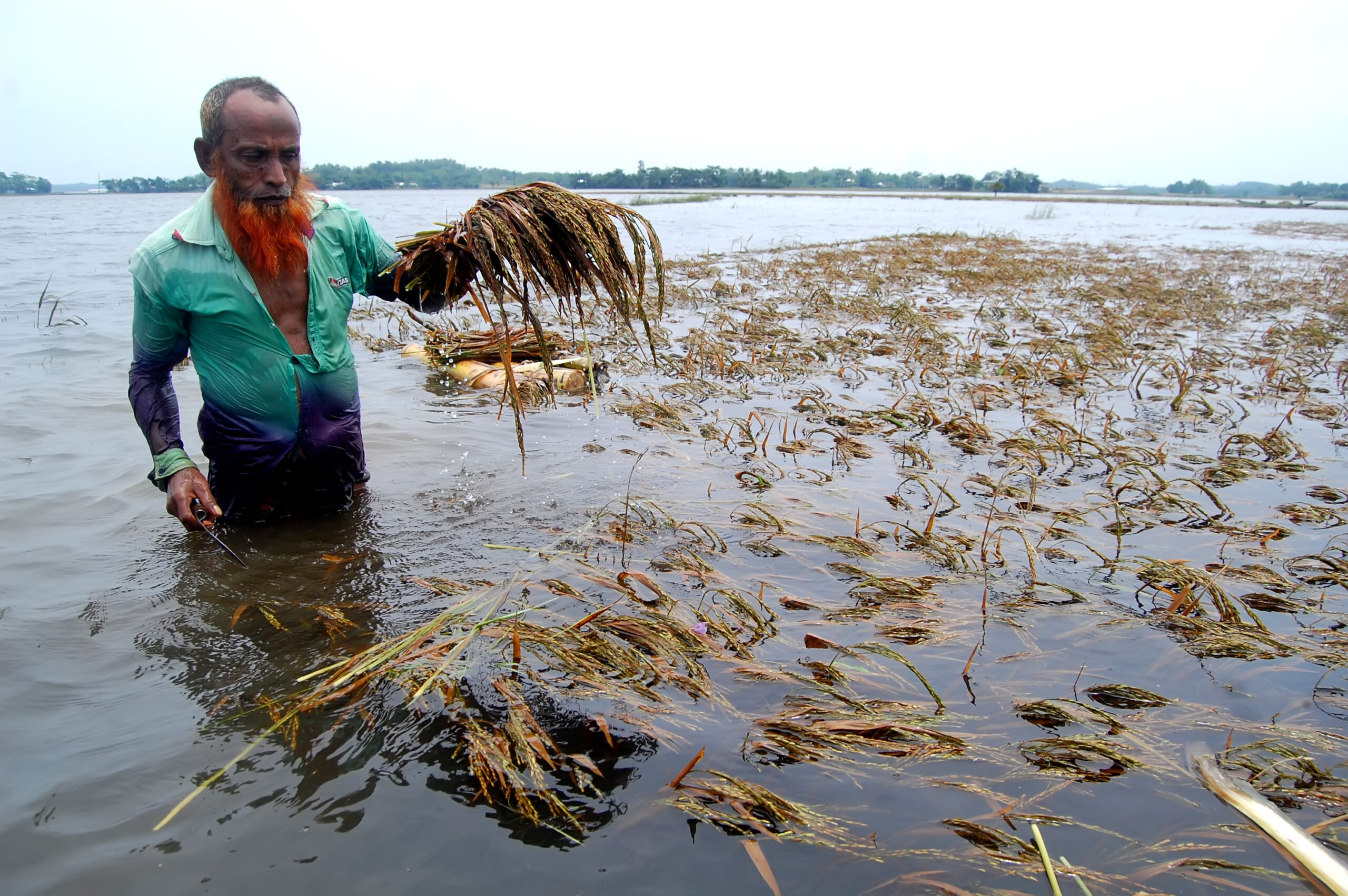
The project aims to improve cyclone and flood early warning and preparedness to enhance livelihood security in vulnerable communities of Bangladesh. Strengthening household capacity for cyclone and flood preparedness is one of the program‚strategies of‚Nobo Jibon, a five-year food security program, jointly funded by USAID and the Government of Bangladesh, that seeks to reduce food […]
 Complete Programs
 The project aims to enhance the lead time for flood early warning and preparedness in Bangladesh by expanding the generation and application of long-lead probabilistic flood forecast warning information to larger areas in Bangladesh, operationalizing 20-25 days and seasonal forecasts in pilot areas, piloting the flash flood early warning system, and complementing CARE Bangladesh work in […]
Complete Programs 


The project aimed at building tsunami risk assessment capacities in Myanmar, Philippines, Sri Lanka, and Thailand. Key activities included on-the-job training on near-shore bathymetric, topographic, and exposure surveys; training on tsunami hazard and risk assessment using RIMES’ web-based tool for tsunami risk assessment (named INSPIRE); training on evacuation mapping using RIMES’ web-based tool for evacuation […]
 Complete Programs


Locally relevant and high resolution coastal hazard and risk assessment on tsunami and storm surge, requires local bathymetric and topographic and exposure datasets, with capacity to generate customized ocean forecast information and mechanism for forecast validation for reducing risks. Ocean information is critical for effective management of maritime activities, such as shipping, marine recreation, fisheries, […]
In order to achieve RIMES’ long term goal -forearmed, forewarned and resilient communities-, the development of basic early warning capacity in each Member State is needed first. For that purpose, RIMES Master Plan defines five strategic components for the period 2010-2014. In this section, projects implemented by RIMES under each of these five areas can […]
Complete Programs 

The project aims to strengthen capacities to manage extreme weather events through the development of standard operating procedures, forming capacity in vulnerability assessment, and through a series of trainings at national and regional levels for managing extreme weather events. Key activities include the review of early warning system in project countries; the development of regional […]